
If you want to make traditional Bulgarian cured meat such as pastirma or File Elena, one of the easiest and most reliable methods is controlled salting.
Many traditional recipes bury the meat in salt and then rinse it later. While that method also works, controlled salting gives you better consistency, more predictable flavor, and less risk of over-salting.
Below is a simple home method for making dry-cured pork similar to the famous Bulgarian delicacy File Elena.
Choosing the Meat
For authentic File Elena, the most commonly used cuts are:
- pork tenderloin
- pork loin
- pork sirloin (boneless pork loin)
In many stores these cuts are labeled differently, but they generally refer to similar parts of the pig. However, you can also experiment with other cuts such as pork neck or pork leg (ham). This curing method also works well with other types of meat, including beef, horse meat or goat meat.
Ingredients
For 1 kg of meat you will need:
- 28–30 g salt (sea salt is preferred, though rock salt is also common)
- optional spices of your choice
Many people also use nitrite curing salt, but traditional home recipes often rely on plain salt. Here are suggested spice mix:
- smoked paprika
- hot chili pepper
- black pepper
- fenugreek
- savory (a very common Balkan herb)
Step 1 – Controlled Salting
Weigh the meat carefully and place it in a bag or container.
Add 28–30 g of salt per kilogram of meat.
Rub the salt evenly over the entire surface of the meat so it is fully covered.
Place the meat in the refrigerator for about one week, turning it occasionally to distribute the salt and released juices evenly.
Step 2 – Rinsing and Seasoning
After about 7 days, remove the meat from the refrigerator.
Rinse it briefly:
- ideally with white wine, or
- simply under running water
Dry the meat well with paper towels.
Next:
- Make a hole in the meat for a string or hook.
- Coat the meat generously in your chosen spice mixture.
Some people add spices at the beginning of the curing process, others just before drying. Both approaches work well.
Personally, I prefer seasoning after the salting stage and before hanging the meat to dry.
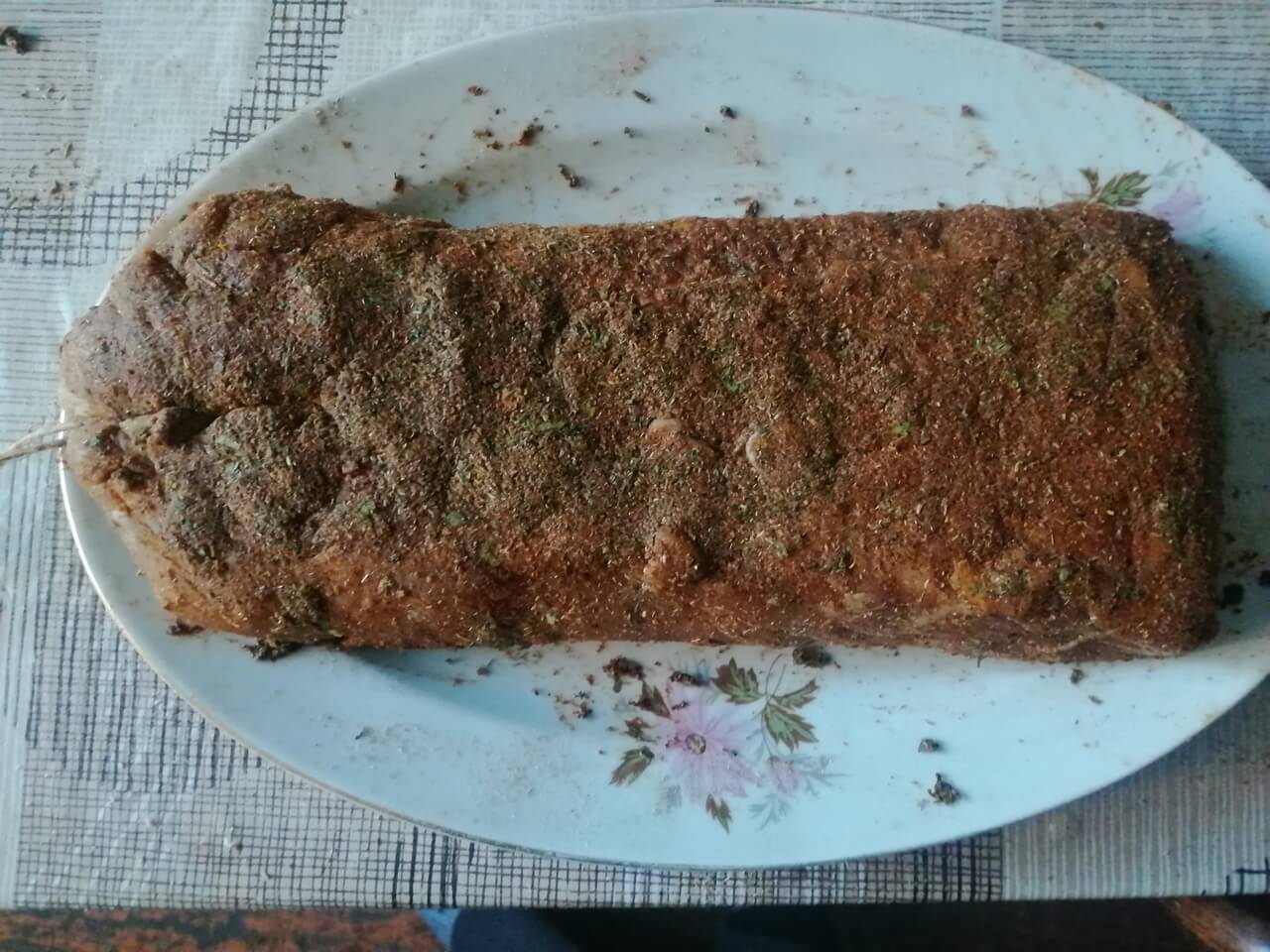
Step 3 – Drying the Meat
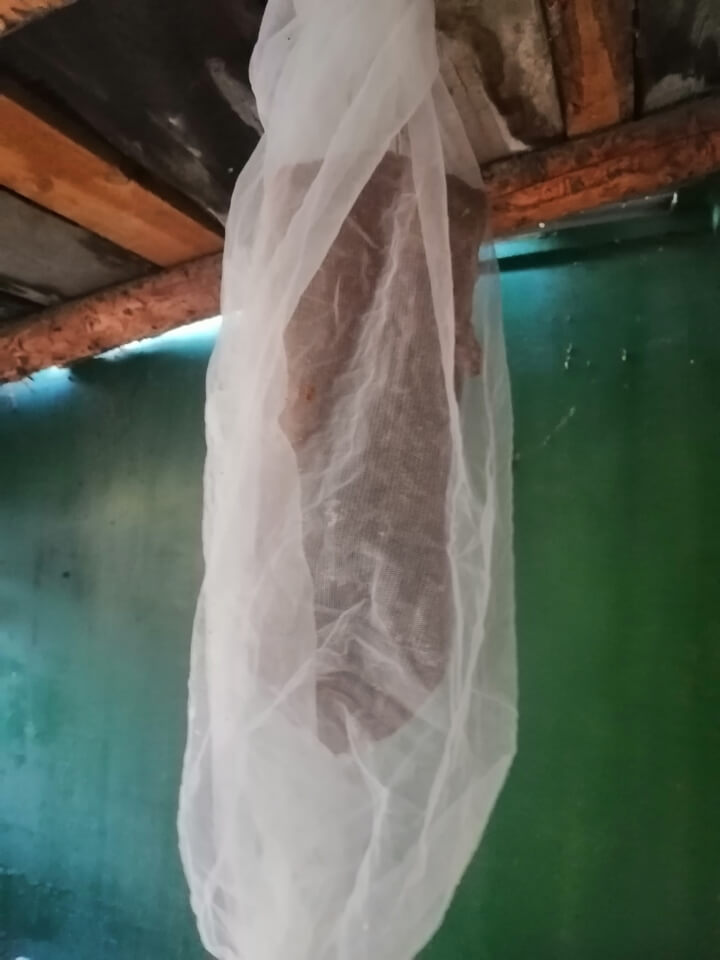
After coating the meat with spices, hang it to dry.
The best option is a dedicated meat curing chamber. If you don’t have one, you can hang it in places such as:
- a balcony
- an attic
- a cellar
- under a roofed outdoor area
If you are worried about flies or insects, cover the meat with cheesecloth or another breathable fabric.
Ideal drying conditions
Professional curing chambers usually maintain:
- temperature: 12–15°C
- humidity: around 80%
- gentle air circulation
These conditions are difficult to achieve at home, but don’t worry — many people successfully dry cured meat in basements or covered outdoor spaces.
Step 4 – When Is the Meat Ready?
Drying time depends heavily on the conditions.
A common rule is to dry the meat until it loses about 40% of its original weight.
Example:
- starting weight: 1 kg
- finished weight: about 600 g
At that point, remove the meat and place it in a bag in the refrigerator for about a week. This resting period allows the moisture inside the meat to redistribute evenly, improving the final texture and flavor.
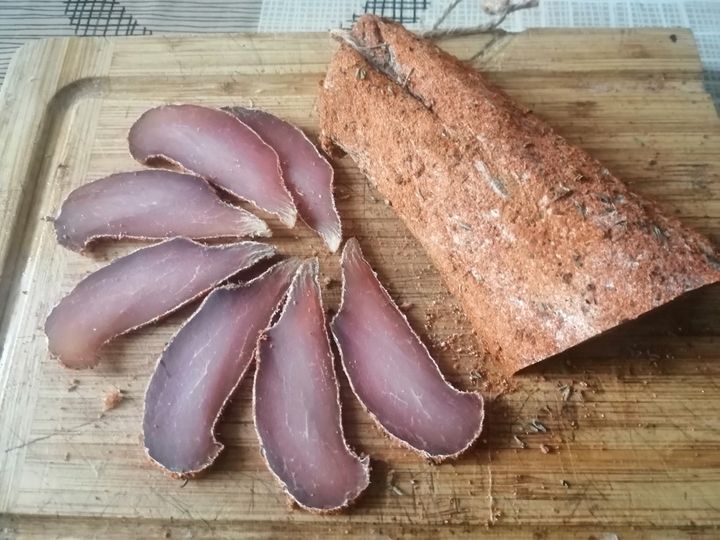
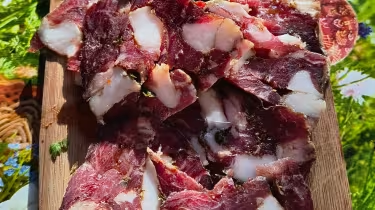
The result is a delicious homemade Bulgarian cured meat, perfect as a traditional appetizer with bread, wine, or rakia.

Add new comment